
The EU Entry/Exit System (EES): What you need to know
Launched October 12, 2025 | Fully live by April 2026
If Europe is on your travel wish list in the coming years, there’s a new system you’ll want to be familiar with: the EU Entry/Exit System (EES).
Starting in October 2025, the European Union will roll out a new digital border process that replaces traditional passport stamps with biometric records. By April 2026, this system will be fully operational across the Schengen Area.
It’s a meaningful shift — but a manageable one, especially if you know what to expect. Consider this your calm, clear guide to what’s coming and how to prepare.
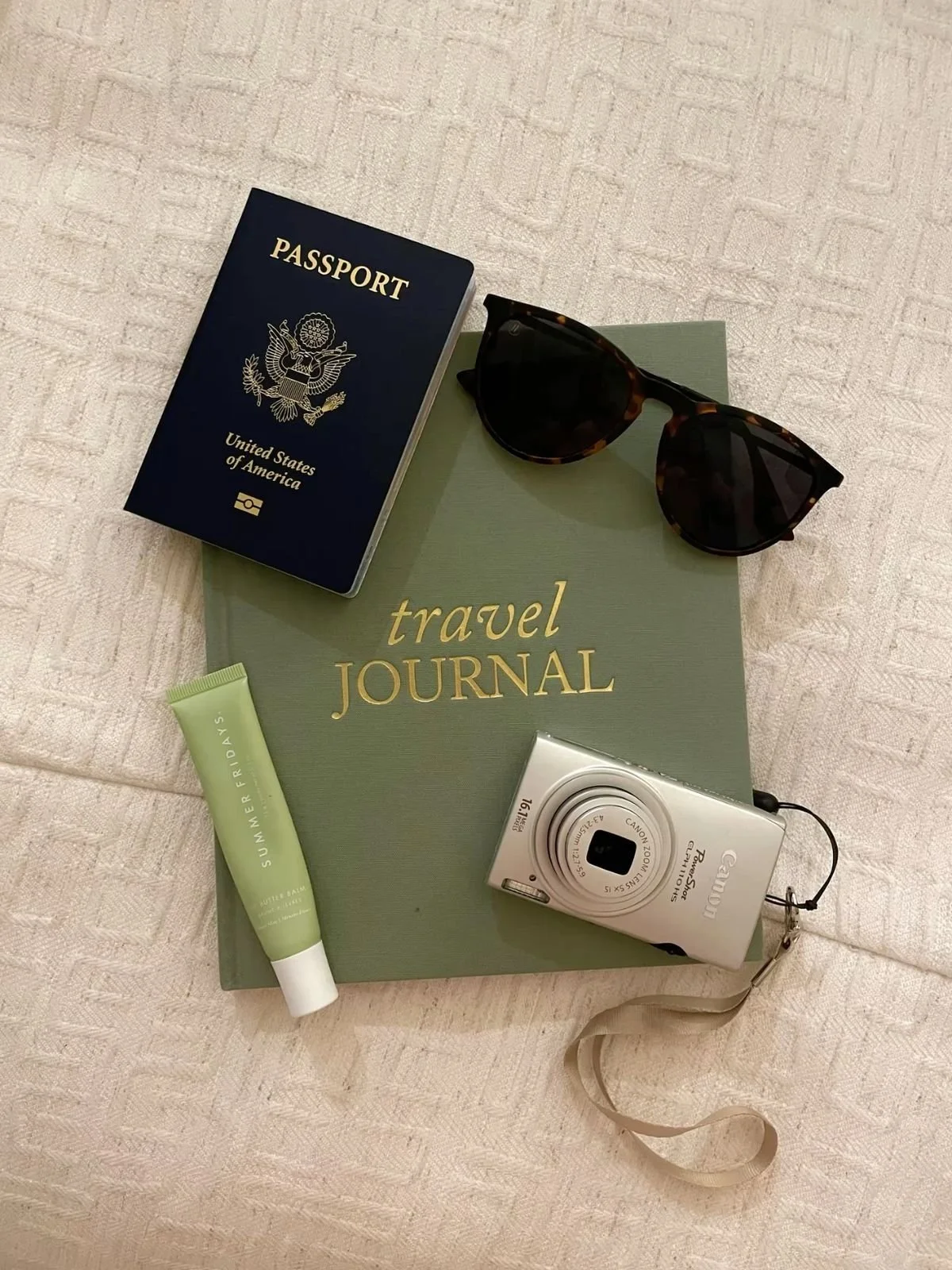
What Is the EU Entry/Exit System (EES)?
Think of the EES as Europe finally going digital at the border. Instead of flipping through your passport and stamping pages, border control will log everything electronically when you enter and leave the Schengen Area.
They’ll record:
When you enter and exit
Your passport details
A facial scan and fingerprints
All of this is stored securely and automatically tracks how long you’re allowed to stay. No more squinting at faded stamps or doing mental math — the system does the counting for you.
So sadly we are saying goodbye to those beautiful passport stamps…
Who Does the EES Apply To?
The EES applies to non-EU nationals traveling for short stays, including:
Visa-exempt travelers (such as travelers from the US, UK, Canada, Australia, Japan, and more)
Short-stay visa holders
If you’re visiting Europe for tourism, business, or family visits for up to 90 days, this system will apply to you.
EU citizens and Schengen-area nationals are not affected.
What Counts as a “Short Stay”?
A short stay means up to 90 days within any rolling 180-day period across the entire Schengen Area.
This means:
Time spent in France, Italy, Spain, Portugal, and beyond is counted together
The EES automatically calculates how many days you have left
No more counting stamps or second-guessing your eligibility — the system does it for you.
Very Important: Passport Validity Rules (Don’t Skip This)
With the introduction of the EES, passport validity rules are being enforced more strictly, and this is one of the most common reasons travelers are denied boarding or entry.
To enter the EU, your passport must meet both of the following conditions:
Issued within the last 10 years on the day you enter the EU
Valid for at least 3 months after the date you intend to leave the EU
In other words:
Your passport must have been issued no more than 10 years ago when you arrive, and it must remain valid for the duration of your stay plus an additional three months.
Even if your passport hasn’t technically “expired,” it may still be considered invalid for travel to Europe if it fails either of these requirements.
If you’re unsure, I strongly recommend checking now — not at the airport.

Which Countries Use the EES?
Once fully implemented, the EES will apply across 29 European countries, including:
Austria, Belgium, Bulgaria, Croatia, Czechia, Denmark, Estonia, Finland, France, Germany, Greece, Hungary, Iceland, Italy, Latvia, Liechtenstein, Lithuania, Luxembourg, Malta, Netherlands, Norway, Poland, Portugal, Romania, Slovakia, Slovenia, Spain, Sweden, Switzerland.
In short: most of the Europe you’re likely traveling to.
How the EES Works in Practice
Your First Entry Under EES
You’ll complete a one-time registration that includes:
Fingerprint scanning
Facial image capture
Passport and personal data verification
Many airports will offer self-service kiosks or pre-registration options to streamline the process.
Future Trips
Once registered, border checks become faster — your biometrics are simply verified instead of re-recorded.
EES and ETIAS: How They Work Together
ETIAS: Pre-travel authorization you apply for online before departure
EES: Digital entry/exit tracking at the border
If you’re from a visa-exempt country, you’ll need ETIAS approval before traveling, and your stay will then be tracked automatically through the EES.

My Take: How to Prepare Now
This is one of the biggest changes to European travel in decades — but with a little planning, it doesn’t have to feel complicated.
What I recommend:
Check your passport issue date and expiry now
Start European trip planning earlier than usual
Expect minor adjustments during the rollout period
Leave a little extra time on arrival
Let you travel concierge (hi, that’s me) handle the rest
If you’re planning a Europe trip in 2025 or beyond and want help navigating these new rules (or designing a seamless itinerary around them), I’m always here to help you travel smart — and beautifully.